
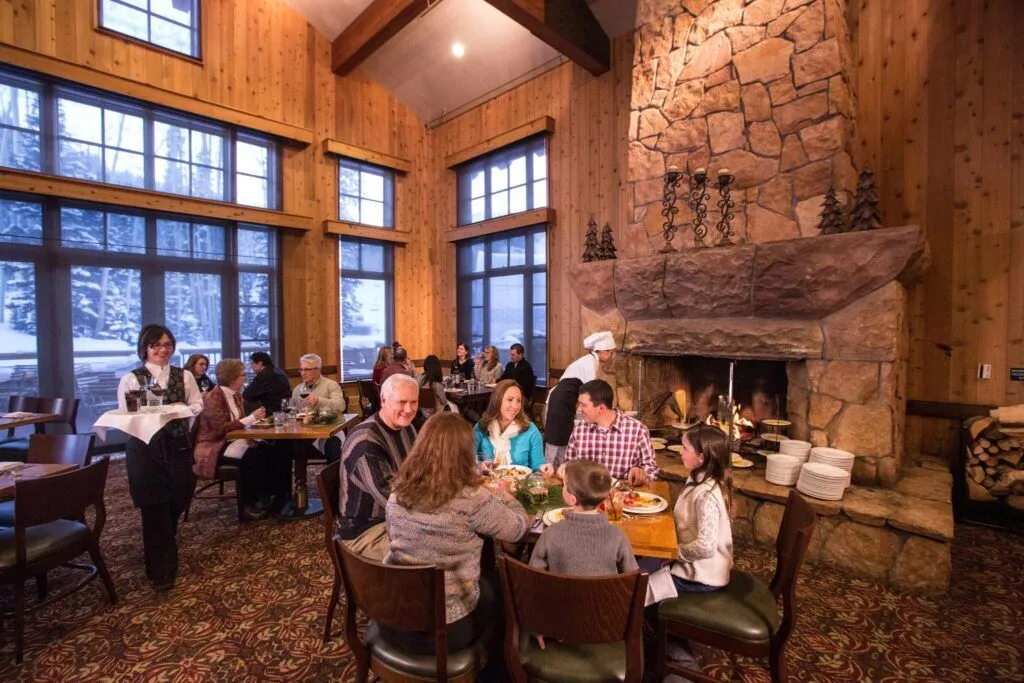
If you run a restaurant, brewery, or taproom in a four-season market, you probably don’t need a calendar to tell you when slow season hits.
Covers drop. Prep lists get shorter. You start wondering if that second server or extra line cook is really necessary on a Tuesday. For most operators, the instinct is simple: tighten labor, cut expenses, grit your teeth, and hang on until patio weather or tourist season returns.
This post takes the opposite angle from the usual “survive the slump” advice.
Angle: Treat slow season as your systems season—the time you step out of day-to-day firefighting and rebuild the financial, operational, and people systems that will carry you through the next busy stretch.
Why now: With rising labor costs, stubborn inflation, and more volatility in guest traffic, simply “getting through January and February” isn’t enough. Slow season is built into the business model for most restaurants and breweries; ignoring it is the same as ignoring a full quarter of your year.
The good news? You already have slow season. You might as well get a return on it.
First, name the reality: slow season is predictable, not random
Most restaurants in the U.S. experience predictable slow months, often January–February—a mix of post-holiday belt-tightening and cold weather in many markets.
At the same time, many operators already use this period for maintenance, training, or small renovations—in other words, work that’s harder to do when you’re slammed.
So instead of treating slow season as a surprise storm every year, it can help to reframe it as one of your core seasons, just like summer patio or holiday parties:
-
Busy season = monetize demand
-
Slow season = rebuild systems
From a financial standpoint, Lord CPAs has written before about managing cash flow across seasonal peaks and valleys so the business can thrive year-round. The same thinking applies to your operations and team.
1. Clean up the financial backbone (so your next busy season isn’t a blur)
When you’re running at full tilt, it’s easy for the back office to fall into “good enough” mode:
-
Inconsistent coding of expenses
-
Labor tracked on a pay-date cash basis instead of when work actually happened
-
Forecasts that are really just last year’s numbers plus a guess
Slow months are the time to tighten this up.
Move from “what happened” to “what’s likely to happen”
If your P&L is purely backward-looking, you’re always reacting. Financial forecasting—especially in seasonal businesses—lets you see the dip coming and make smarter decisions around staffing, inventory, and cash reserves.
Use slow season to:
-
Build or refine a 12-month cash flow forecast that bakes in your true peaks and troughs
-
Layer in labor and COGS assumptions that reflect reality (not wishful thinking)
-
Stress-test scenarios: what happens if winter is 10% softer than last year? Where will you pull levers?
Fix the way you see labor
As we’ve covered in other posts, most operators still “measure” labor when payroll hits the bank—pay-date accounting that makes labor percent yo-yo from period to period. Shifting to hours × average wage by role, aligned to when the work happened, gives you a clear picture of labor productivity and prime cost week by week.
Down months are a great time to:
-
Rebuild your chart of accounts to break labor out by FOH, BOH, production, management, and indirect support
-
Set up an hours-based accrual process with your accountant or bookkeeper
-
Start tracking simple productivity metrics like Sales per Labor Hour and Covers per Labor Hour
You don’t need to perfect this overnight—but any progress you make now compounds when volume returns.
2. Turn “quiet shifts” into a systems lab
A lot of restaurant pain points trace back to one thing: undefined or unenforced systems.
Operators know they need SOPs, checklists, and training paths, but it’s hard to write them at 6:00 p.m. on a Friday. Slow season is your opportunity to get the bones right.
Industry research consistently shows that restaurants with clear operations manuals and SOPs see better efficiency, faster training, and more consistent guest experience.
Here’s where to focus.
a. Document the top 10 recurring processes
Pick the things that cause the most confusion or inconsistency:
-
Opening and closing checklists for FOH and BOH
-
Prep lists and par levels for key stations
-
Ticket times and expo standards
-
Cash handling and tip-out procedures
-
Cleaning and maintenance routines
For each, aim for a simple one-page SOP:
Purpose → When it’s done → Who owns it → Step-by-step → How we know it’s done right
You don’t need a 200-page manual. You need a handful of clear, usable docs that live where the work happens (service stations, kitchen screens, staff app).
b. Use real shifts as live training
Slow nights create the perfect conditions for walk-through training:
-
Run a mock “burst” and coach how tickets move through the line
-
Have newer servers role-play upselling, handling complaints, or explaining your highest-margin items
-
Cross-train support team members into secondary roles
The key is to train toward the systems you just documented, not “how Jamie likes to do it.”
3. Re-engineer your menu and margins while the kitchen can breathe
Menu work is notoriously hard to do when every prep day feels like a sprint.
Slow season gives you the breathing room to pair menu engineering with financial reality:
-
Which items drive both profit and popularity?
-
Which “sacred cows” are crowding the line but barely selling?
-
Where are you carrying unnecessary SKUs or fragile dishes that only work when things are calm?
Modern menu engineering approaches emphasize using sales data and item-level margins to categorize dishes (stars, plowhorses, puzzles, dogs) and redesign your menu to push guests toward high-margin choices. Done well, this kind of work can materially lift profitability.
Practical slow-season actions:
-
Pull 3–6 months of item sales and food cost data
-
Tag each dish: High/Low Margin and High/Low Volume
-
Trim or rework low-margin, low-volume items that add complexity but not profit
-
Rewrite menu descriptions and layout to highlight your best contributors
-
Test 1–2 new items built around seasonal, lower-cost ingredients you can feature in busy months
Even a small improvement in average check or gross margin pays off all year.
4. Strengthen your team and culture instead of just cutting hours
Yes, you’ll likely reduce labor in slow months. But how you do it matters.
Smart operators use this time to invest in the people they want to keep:
-
Schedule 1:1 check-ins with key team members to talk about goals and upcoming responsibilities
-
Identify your future leads and shift supervisors—and start giving them structured development tasks
-
Cross-train to reduce single-point-of-failure roles (the only person who can close the bar; the only cook who can handle a particular station)
Industry guidance on slow-season labor management emphasizes using downtime productively—cross-training, revisiting schedules, and putting people on work that strengthens the business rather than just cutting shifts and hoping for the best.
This is also a good window to:
-
Clarify expectations: update job descriptions to align with your new systems
-
Recenter hospitality standards: walk your team through what “great service” means in your concept (not just “be nice”)
-
Reset any bad habits that crept in during the rush (ticket calling, side work, cleanliness, time-off boundaries)
Done well, slow season becomes the moment your culture tightens up—not drifts.
5. Use downtime for infrastructure and tech upgrades
Some projects are almost impossible to pull off in peak season:
-
Deep-cleaning and resealing kitchen floors
-
Replacing or re-configuring line equipment
-
Swapping or re-programming your POS
-
Implementing a new inventory or scheduling tool
Yet these are the very changes that reduce friction, downtime, and emergency repairs later. Industry guides on seasonal facility management push for a seasonal strategy—tackling proactive maintenance and upgrades before busy periods instead of reacting when things break mid-service.
Use down months to:
-
Knock out your maintenance backlog (hoods, refrigeration, smallwares, bar equipment)
-
Evaluate your tech stack: POS, inventory, scheduling, online ordering, reservations—where are you wasting time or exporting data into spreadsheets every week?
-
Standardize key setups: tap lists, printer routing, kitchen display screens, bar build-outs
None of this work is glamorous. All of it pays dividends when you suddenly go from 50 covers a night to 180.
6. Build a “slow season playbook” so you’re not reinventing this every year
The first year you adopt this mindset, you’ll be building from scratch. The second year, you should have a playbook.
As you go, capture:
-
Dates: when slow season typically starts and ends for your concept
-
Financial plan: target cash reserves, labor reductions, and forecast assumptions leading into slow months
-
Projects list: which systems, SOPs, menu changes, and infrastructure projects you’ll tackle next time
-
Post-mortem notes: what worked, what didn’t, what you’d do earlier or differently
Think of it as your Q1 or “winter” operating plan—a standing part of how your business runs, not a one-off reaction to a bad month.
The bottom line: slow season is already on your calendar—put it to work
You’re going to have a slow season whether you plan for it or not.
You can:
-
Treat it as a scary lull, slash costs, and hope busy season bails you out
or
-
Use it as your built-in systems and strategy quarter—cleaning up financial visibility, tightening operations, developing your team, and upgrading the infrastructure that supports your next rush
The operators we see thrive long-term are rarely the ones with the hottest summer patio or the flashiest holiday party. They’re the ones who quietly use the “boring” months to build a business that’s sturdier, clearer, and easier to run.
If you want help turning your next slow season into a rebuild season—financially and operationally—this is exactly the kind of planning work we live in every day.
